In the heart of Kampala’s booming event industry, a shift is happening. For years, aspiring planners and decorators sat in crowded hotel conference rooms, taking notes on PowerPoint slides. But when the “big day” arrived, they found themselves paralyzed by the reality of a late vendor or a technical lighting failure.
At Lotus Events Academy, we realized that theory only takes you 20% of the way. The remaining 80% is found in the “doing.” This is why we pioneered the Apprenticeship Model.
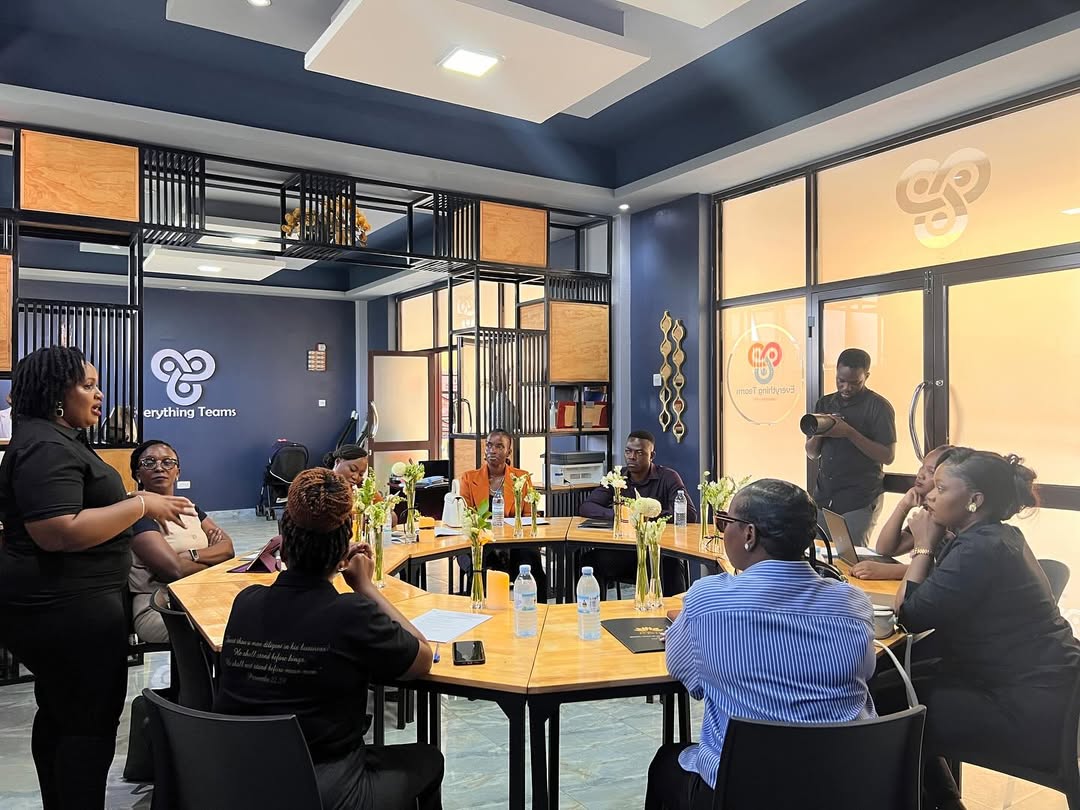
1. The Studio Environment When you study Bridal Makeup with us, you aren’t in a classroom; you are at Tinabrows, seeing how a high-volume studio operates. You see the lighting, the hygiene standards, and the client interaction. This immersive experience builds “muscle memory” that a textbook simply cannot provide.
2. Learning from Active Masters Our mentors, like Phyllis Kyomuhendo and the teams at Class7Media, are not retired teachers. They are active industry leaders who were likely managing a major corporate gala or a luxury wedding just 24 hours before your class. They teach you the tricks they used yesterday, not the ones they learned ten years ago.
3. The Networking Advantage In a traditional school, you meet students. In an apprenticeship, you meet the industry. By training at professional premises, you are introduced to the ecosystem of vendors, assistants, and professionals who will eventually become your colleagues and partners.
Conclusion: If you want to be a professional, you must train where the professionals work. Join us this March and stop taking notes—start taking action.