One of the most painful moments for a creative entrepreneur is finishing a 14-hour wedding day, looking at your bank account, and realizing you actually lost money.
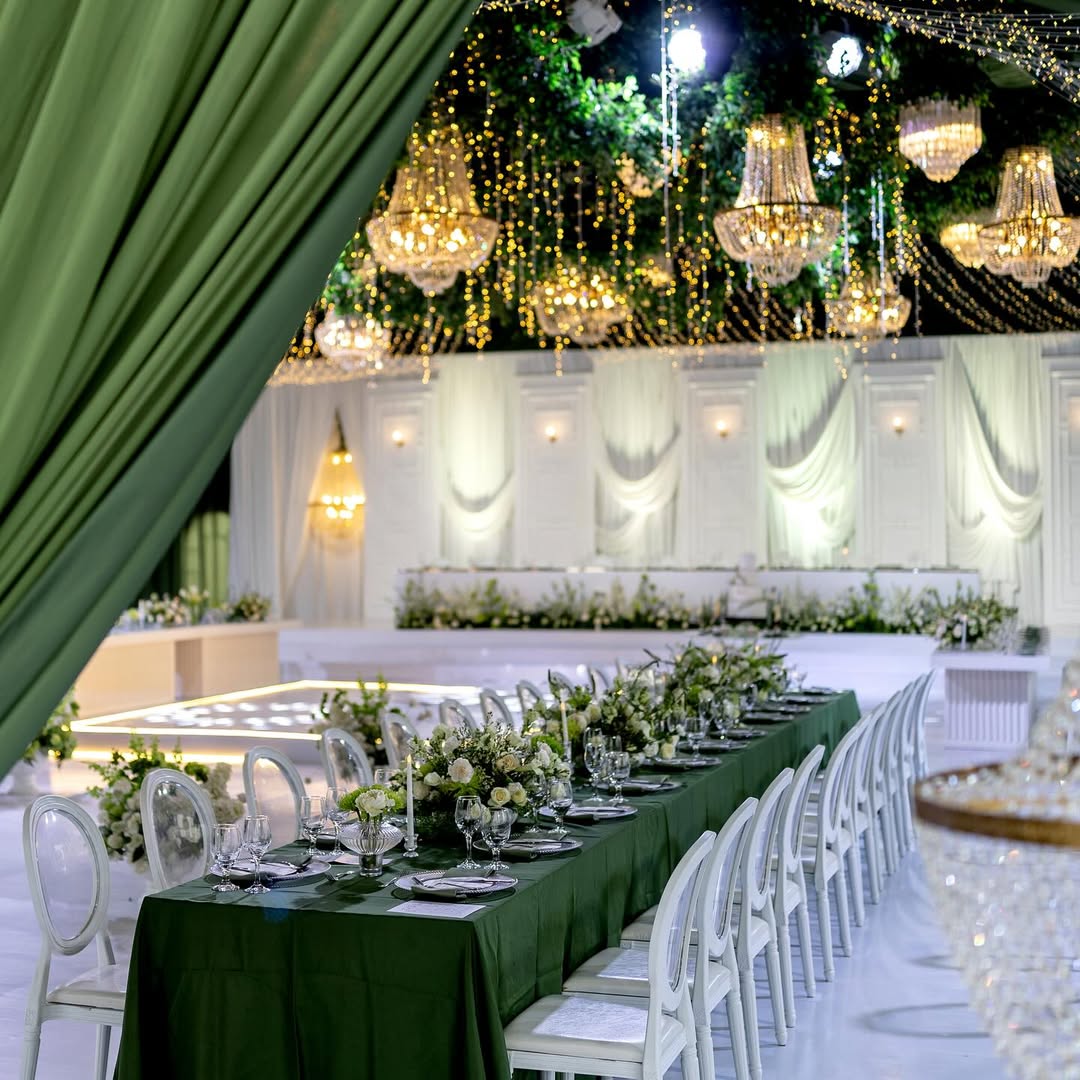
In Uganda, the “price-undercutting” culture is real. However, the top 10% of brands—those like Lush Treats or DreamHouse Events—don’t compete on price. They compete on value. Here is how you should be thinking about your rates for 2026:
Step 1: The Cost of Doing Business (CODB) Before you name a price, you must know your costs. This includes:
Direct Costs: Flowers, cake ingredients, makeup kit refills.
Overhead: Transport, data for marketing, staff wages.
Your Time: If you don’t pay yourself a salary, your business is just a high-stress hobby.
Step 2: The “Value” Markup People don’t pay Lotus Events just to show up; they pay for the assurance that nothing will go wrong. Your price should reflect your expertise, your equipment (like the high-end gear used by Class7Media), and your reliability.
Step 3: Stop Selling Packages, Start Selling Results Instead of saying “I offer 3 types of decor,” try saying “I create a luxury environment that will be talked about for years.” When you change the conversation from “stuff” to “feelings,” the client’s sensitivity to price drops.
Conclusion: At the Academy, we dedicate a full section of every module to the Business of the Craft. We don’t just want you to be a great artist; we want you to be a wealthy one.